The foundation of a home is often called the most important structural component because it supports everything built above it. Yet, many homeowners underestimate the importance of maintaining a strong foundation until problems begin to appear. Foundation issues can range from minor cracks to severe structural shifts, each with potential consequences for safety, comfort, and long-term property value. Understanding how Foundation Repair Murfreesboro TN affects both the resale value of a home and the overall safety of its occupants is critical for any property owner or prospective seller.
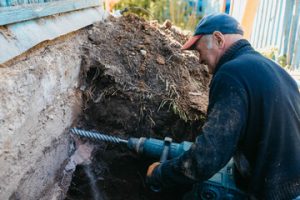
Addressing foundation problems proactively is not just about preserving a home’s aesthetic appeal—it directly influences the structural integrity of the property. Neglecting repairs can lead to increasingly costly damage over time, affecting walls, flooring, plumbing, and even roof stability. Moreover, foundation health is closely linked to market perception; homes with unresolved foundation issues are often flagged during inspections, impacting buyer confidence and sale prices. By exploring the connection between foundation repair, safety, and resale value, homeowners can make informed decisions to protect both their investment and the people living in their homes.
Why a Strong Foundation Matters
The foundation serves as the bedrock of a home, distributing weight evenly and keeping the structure stable. When the foundation is compromised, the effects ripple throughout the property. Structural problems such as sloping floors, cracked walls, and misaligned doors often originate from foundation issues. Left unaddressed, these problems can escalate, leading to more significant damage and costly repairs.
A solid foundation contributes to:
- Structural safety – Preventing collapse, sagging, or uneven stress on walls and floors.
- Long-term durability – Ensuring that the home can withstand environmental pressures such as soil movement, moisture fluctuations, and seasonal changes.
- Functional systems – Protecting plumbing, electrical, and HVAC systems from misalignment or stress caused by foundation shifts.
For prospective buyers, these factors are critical considerations. Homes with a stable foundation are perceived as lower-risk investments, often resulting in higher resale value and quicker sales.
Common Signs That Foundation Repairs Are Needed
Identifying foundation issues early is essential for both safety and resale considerations. While some signs are obvious, others can be subtle, requiring a keen eye or professional inspection.
Visible Cracks
Cracks in walls, floors, or ceilings are often the first visible indicator of foundation problems. Horizontal cracks, in particular, are more serious than vertical ones and may signal movement or lateral pressure against the foundation walls. Even small, hairline cracks should be evaluated, as they may develop into more significant structural issues over time.
Uneven Floors
Floors that slope or feel bouncy can indicate that the foundation is settling unevenly. This can be particularly noticeable when rolling objects, such as balls, appear to move on their own or when furniture seems tilted. Uneven floors not only affect daily comfort but also reduce buyer confidence if left unresolved.
Door and Window Misalignment
Doors and windows that stick, fail to close properly, or appear crooked often reflect shifting foundation conditions. Misalignment can indicate that the load-bearing structure is no longer level, signaling the need for professional repair.
Gaps Around Walls and Baseboards
Visible separation between walls and floors or walls and ceilings may suggest foundation movement. Gaps can occur gradually, and while they might seem cosmetic at first, they often point to deeper structural issues that require attention.
How Foundation Problems Affect Home Safety
The safety implications of a compromised foundation cannot be overstated. Even seemingly minor issues can escalate into hazardous conditions if left untreated. A stable foundation ensures that the home’s structural components distribute weight evenly and remain secure under stress. Conversely, a damaged foundation can lead to:
- Structural instability – Cracked walls, sagging floors, or shifting ceilings can eventually pose risks of collapse or serious injury.
- Plumbing and electrical damage – Foundation movement can twist or break pipes, conduits, and wiring, increasing the risk of leaks, shorts, and fires.
- Increased susceptibility to environmental hazards – Homes with unstable foundations may be less resilient against flooding, soil erosion, or seismic activity.
Repairing the foundation restores the home’s structural integrity, ensuring the safety of occupants while preventing additional damage to critical systems.
The Resale Value Connection
Homebuyers are highly attentive to structural integrity during inspections. Foundation issues, whether repaired or unrepaired, play a significant role in determining market value. Buyers often associate foundation problems with future costs and potential risk, which can reduce offers or discourage interest altogether.
Homes With Unrepaired Foundation Issues
- Lower Market Value: Unrepaired problems can result in offers well below market price, as buyers anticipate expensive repairs.
- Reduced Buyer Interest: Many buyers are reluctant to purchase properties with visible or reported foundation issues.
- Longer Sale Times: Homes with unresolved structural concerns often stay on the market longer, creating financial and emotional stress for sellers.
Homes With Professionally Repaired Foundations
- Higher Resale Value: Properly repaired foundations are considered a strong selling point. Documentation of professional repairs provides reassurance to buyers and appraisers.
- Faster Sale: A home with a stable foundation and verified repairs often attracts more serious buyers and generates competitive offers.
- Enhanced Buyer Confidence: Demonstrating that the foundation has been inspected and repaired eliminates uncertainty, making the property more marketable.
Investing in foundation repair is therefore not just about maintaining the property—it can result in tangible financial benefits during resale.
Methods of Foundation Repair
Foundation repairs vary depending on the type and severity of the problem. Some of the most common methods include:
1. Piering or Underpinning
This involves driving steel or concrete piers beneath the foundation to stabilize and lift sinking sections. Piering is a durable solution that addresses settlement and restores structural integrity.
2. Slab Jacking or Mudjacking
For slab foundations, grout or polyurethane foam can be injected under sunken areas to lift the concrete to its original level. This method is less invasive and is often used for minor settlement issues.
3. Wall Anchors and Reinforcements
Exterior wall anchors and braces help stabilize bowing or leaning foundation walls. Reinforcement techniques often include steel plates, beams, or carbon fiber strips to prevent further movement.
4. Waterproofing and Drainage Improvements
Moisture is a major contributor to foundation problems. Installing proper drainage systems, waterproof membranes, and grading improvements prevents soil expansion, contraction, and erosion that can undermine foundation stability.
Financial Considerations for Foundation Repair
While foundation repair can be a significant expense, it is often a cost-effective investment when weighed against long-term property value and safety. Homeowners can plan their budget by considering:
- Extent of Damage: Minor cracks and settling issues typically cost less to repair than major structural failures.
- Repair Method: The choice of repair technique impacts cost. Slab jacking is generally more affordable, whereas piering or wall reinforcement can be more expensive but provides long-term stability.
- Documentation and Certification: Professional repair documentation may add a small cost upfront, but can significantly enhance resale value and buyer trust.
Prioritizing foundation health reduces the likelihood of repeated repairs, emergency interventions, or diminished property value, making it a strategic financial decision.
Preventing Future Foundation Issues
Proactive maintenance is essential to preserve both safety and property value. Preventative measures include:
- Managing Soil Moisture: Ensure proper grading around the home to direct water away from the foundation.
- Maintaining Drainage Systems: Clean gutters and downspouts regularly to prevent water accumulation.
- Monitoring Foundation Health: Conduct periodic inspections to identify early signs of cracks, settling, or movement.
- Addressing Landscaping Changes: Avoid planting large trees or shrubs too close to the foundation, as root growth can impact stability.
These measures help extend the lifespan of repairs and minimize future expenses.
The Importance of Professional Assessment
Foundation repair is a specialized field that requires expertise and experience. DIY attempts or unqualified contractors can worsen the problem or fail to address the root cause. A professional assessment provides:
- Accurate Diagnosis: Identifying the type and severity of foundation issues.
- Customized Solutions: Tailoring repair methods to the home’s specific needs.
- Documentation for Buyers: Providing professional repair reports that enhance resale confidence.
Investing in professional evaluation ensures that foundation repairs are effective and long-lasting, safeguarding both safety and market value.
How Foundation Repair Supports Overall Home Value
A home’s value is influenced by a combination of structural integrity, aesthetics, and perceived risk. Foundation repair addresses the most critical aspect—structural stability. By ensuring that the home stands on solid ground, homeowners can:
- Protect other systems such as plumbing, electrical, and roofing.
- Maintain interior finishes and prevent cosmetic damage.
- Reduce insurance premiums, as some providers offer better rates for structurally sound properties.
- Provide peace of mind for both current occupants and potential buyers.
Ultimately, foundation repair is an investment that pays dividends in safety, comfort, and resale potential.
Foundation repair is more than a maintenance task—it is an investment in the safety, longevity, and marketability of a home. Neglecting structural issues can lead to cascading problems, affecting walls, floors, and even critical systems, while also reducing buyer confidence and property value. Conversely, professionally executed foundation repairs enhance safety, provide peace of mind, and often increase resale value.
For homeowners, understanding the link between foundation health and home resale value is essential. By addressing issues promptly, choosing the right repair methods, and documenting work for prospective buyers, it is possible to protect both the financial and structural integrity of a property. Strong foundations do more than support a house—they support long-term investment and secure living environments for families.
Taking proactive measures to repair and maintain the foundation ensures that the home remains a safe, durable, and marketable asset for years to come.